☀️
Our Sun
You could fit 1.3 million Earths inside the Sun. It makes up 99.86% of all mass in our solar system!
🌡️
Solar Heat
The Sun's core is 27 million °F (15 million °C) — so hot that hydrogen atoms fuse into helium, releasing enormous energy.
💨
Solar Wind
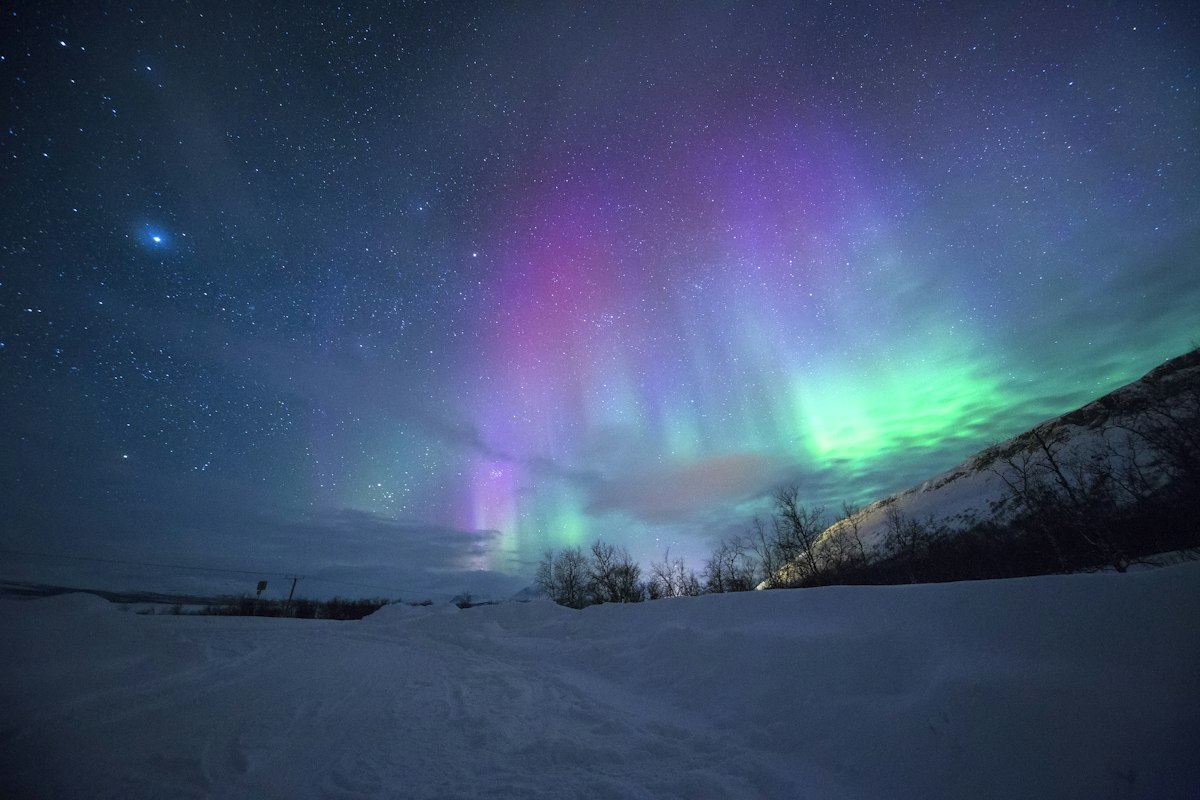
The Sun releases a solar wind that travels at 1 million mph, creating the beautiful auroras when it hits Earth's magnetic field.
💫
Mind-Blowing Scale
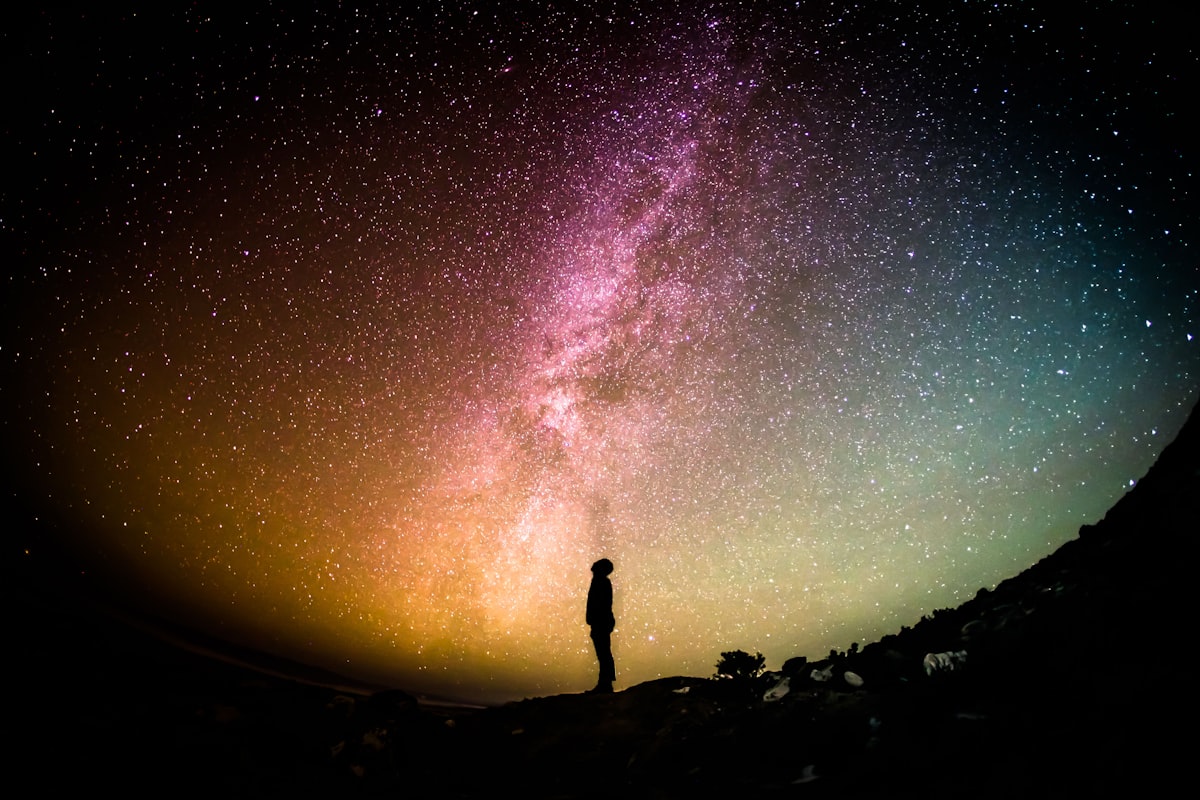
There are more stars in the universe than grains of sand on all Earth's beaches — about 200 billion trillion stars!
⭐
Star Birth
A new star is born in our galaxy roughly every 50 years. The Milky Way has been making stars for over 13 billion years!
🔵
Blue Giants
The hottest stars burn blue, not red! Blue supergiants can be 50,000°C — while red dwarfs are a "cool" 3,000°C.
⚡
Neutron Stars
Neutron stars are so dense that a teaspoon would weigh about 6 billion tons — as much as Mount Everest!
🪐
Saturn
Saturn would float in water if you could find a bathtub big enough — it's less dense than water!
🔴
Venus Time
A day on Venus is longer than its year! It takes 243 Earth days to rotate but only 225 days to orbit the Sun.
🌀
Jupiter's Storm
Jupiter's Great Red Spot is a 400-year-old storm so large that Earth could fit inside it twice!
💎
Diamond Rain
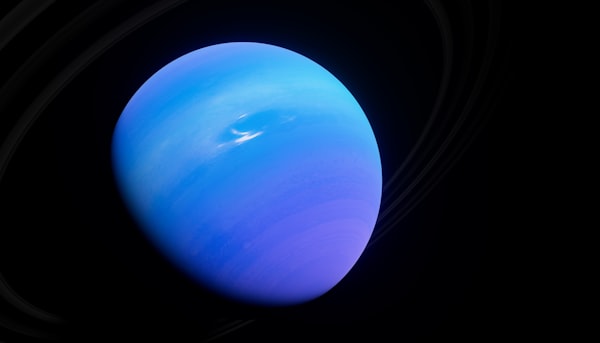
On Neptune and Uranus, diamonds literally rain from the sky due to extreme pressure converting methane to diamond!
🌋
Volcanic Moon
Jupiter's moon Io has over 400 active volcanoes — making it the most volcanically active body in the solar system.
🏔️
Martian Giant
Mars has the largest volcano in the solar system — Olympus Mons stands 72,000 feet tall, nearly 3x Mount Everest!
🌙
Drifting Moon
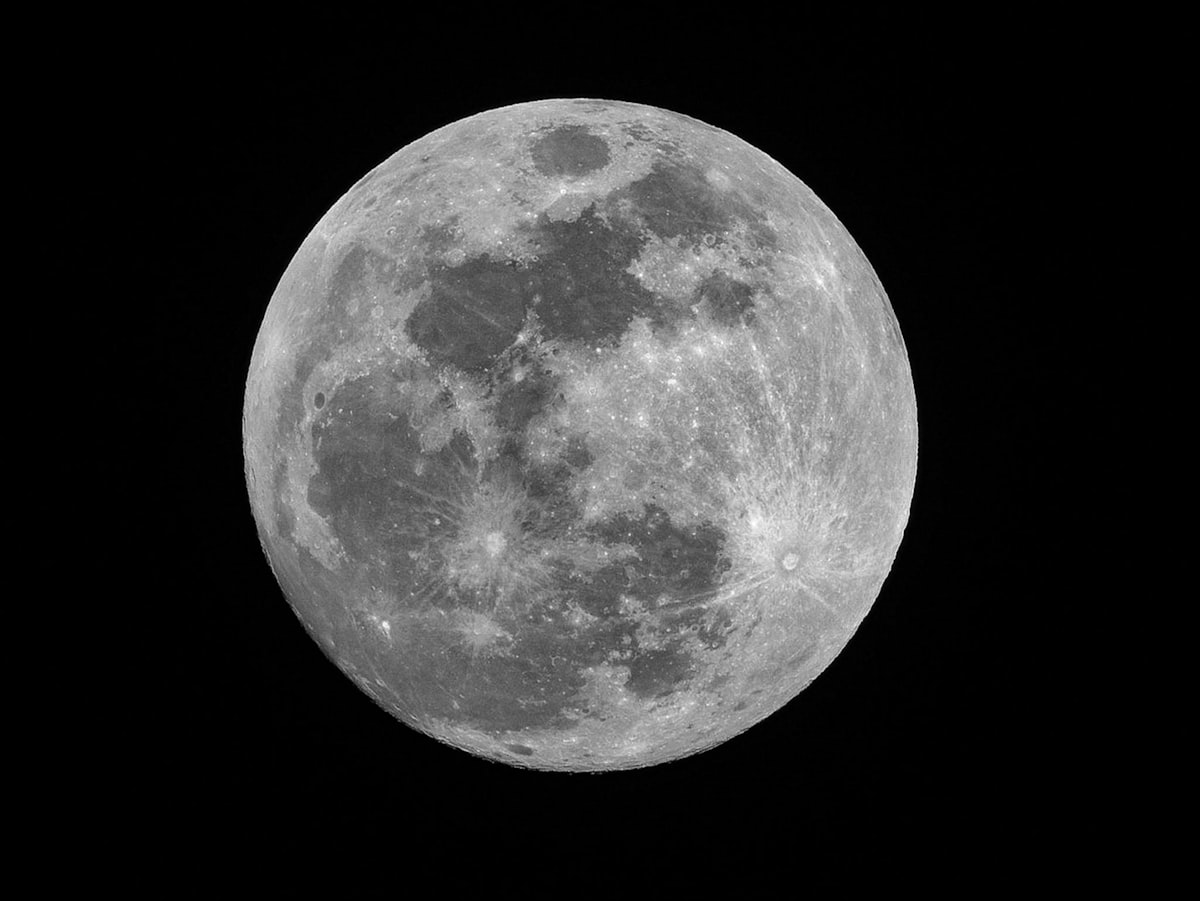
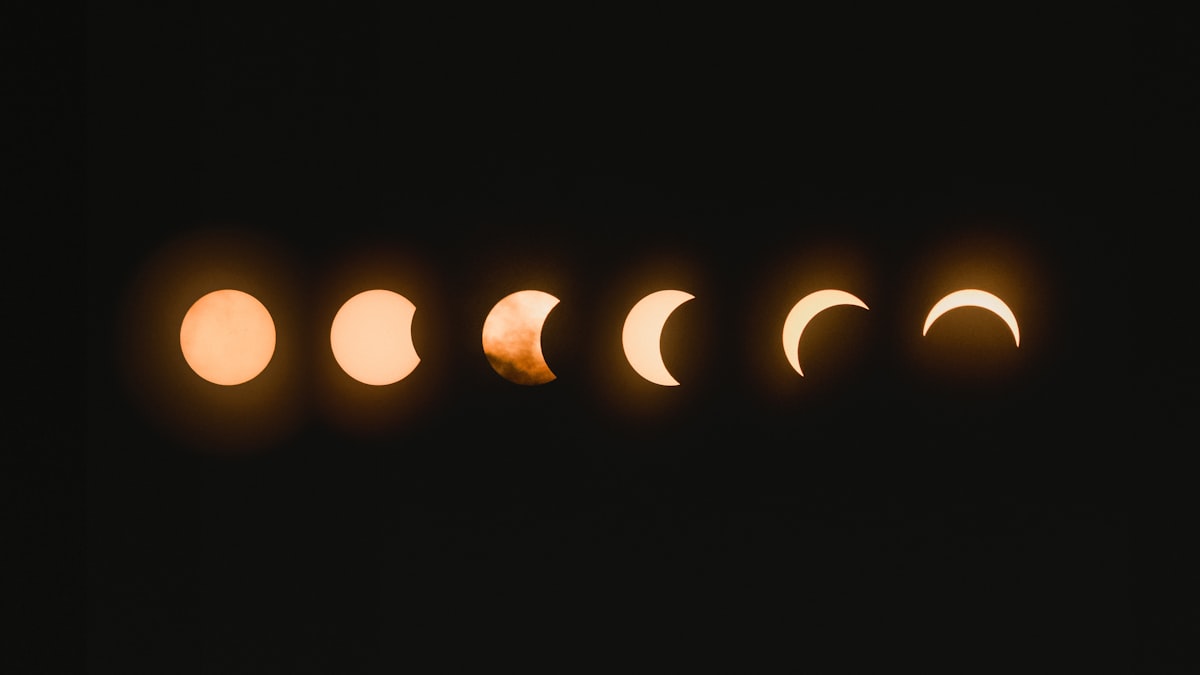
The Moon is slowly drifting away from Earth at about 1.5 inches (3.8 cm) per year. In a billion years, it'll be too far for total eclipses!
👣
Lunar Footprints
The footprints left by Apollo astronauts will remain on the Moon for millions of years — there's no wind or weather to erode them.
🌊
Tidal Lock
The Moon is tidally locked to Earth — that's why we always see the same side. The "dark side" isn't dark, just hidden!
⏱️
Sunlight Travel
Sunlight takes 8 minutes 20 seconds to reach Earth. If the Sun vanished, we wouldn't know for 8 minutes!
🔭
Looking Back in Time
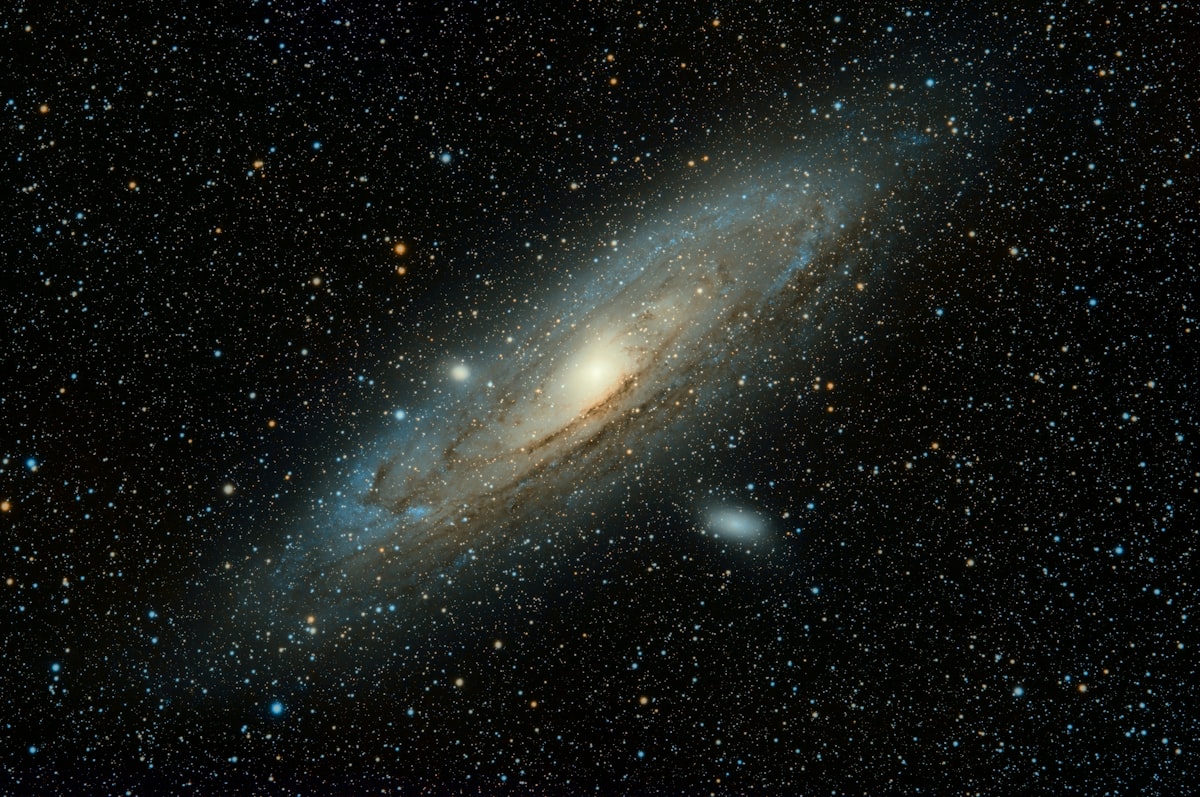
When you look at the Andromeda Galaxy, you're seeing light from 2.5 million years ago — true time travel!
📡
Voyager Distance
Voyager 1 is 15 billion miles away. A signal from it takes over 22 hours to reach Earth at light speed!
🕳️
Black Holes
If you fell into a black hole, spaghettification would stretch you into a long thin strand due to extreme tidal forces!
🌌
Cosmic Collision
The Milky Way and Andromeda galaxies will collide in 4.5 billion years. Don't worry though — stars are so far apart, direct collisions are rare!
💥
Supernovae
A supernova explosion releases more energy in seconds than our Sun will produce in its entire 10-billion-year lifetime!
🧲
Magnetars
Magnetars have magnetic fields 1 quadrillion times stronger than Earth's — strong enough to erase your credit cards from the Moon!
🚀
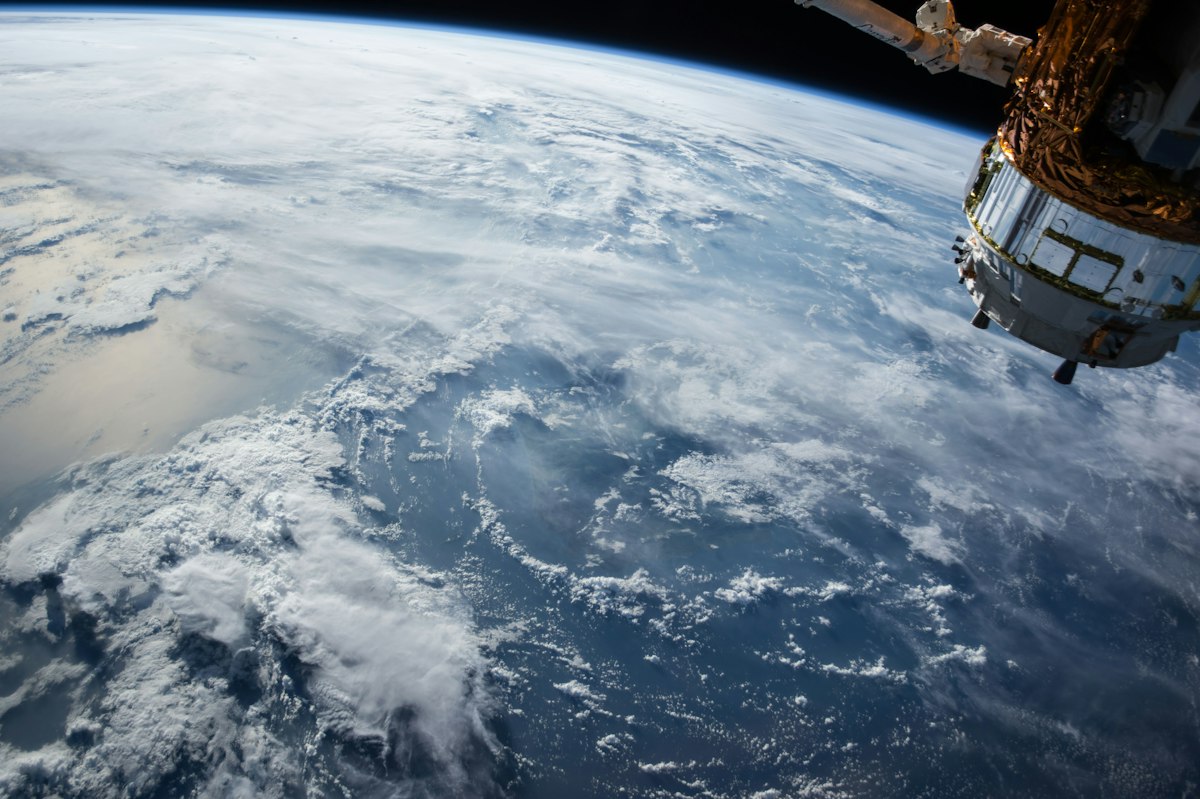
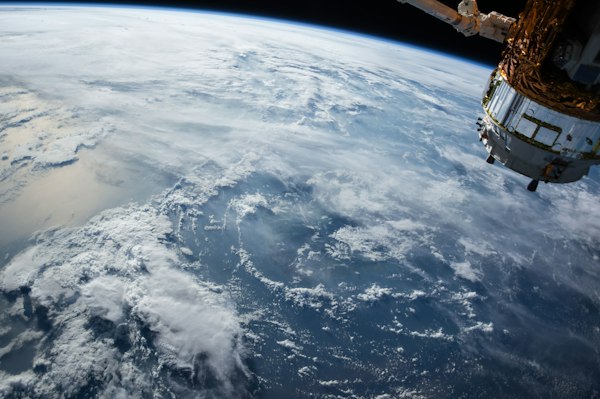
ISS Speed
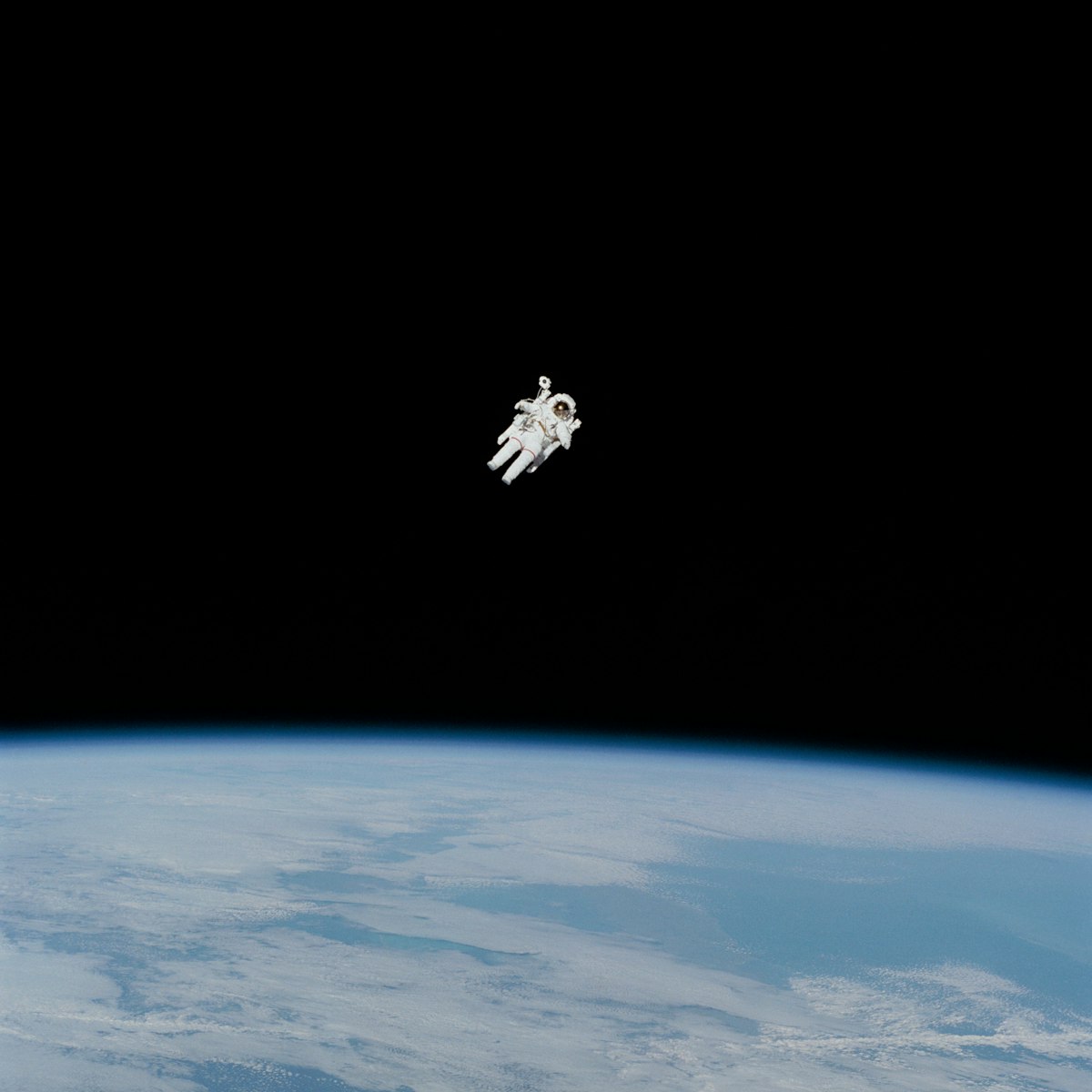
The International Space Station orbits at 17,500 mph — completing a full orbit every 90 minutes. Astronauts see 16 sunrises daily!
🧑🚀
Space Growth
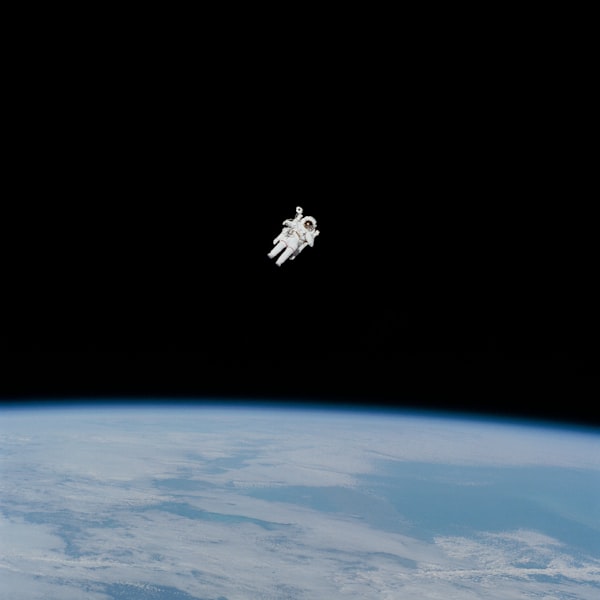
Astronauts grow up to 2 inches taller in space because their spines decompress without gravity. They shrink back on Earth!
🎂
Space Age
On Mercury, you'd have 4 birthdays per Earth year! A year there is just 88 Earth days. On Neptune, one year = 165 Earth years!
🔮
Dark Matter
85% of the universe is made of dark matter — we can't see it, but we know it exists from its gravitational effects!
🫧
Cosmic Void
The Boötes Void is a 330 million light-year empty region of space containing almost no galaxies — one of the universe's greatest mysteries.
🎵
Space Sound
Space isn't completely silent! Black holes emit ultra-low frequency sounds — a B-flat, 57 octaves below middle C!
🍳
Cosmic Recipe
The center of our galaxy smells like rum and tastes like raspberries — due to ethyl formate molecules floating in space!
🌍
Pale Blue Dot
From Saturn, Earth is just a tiny blue pixel. Voyager 1 photographed this "Pale Blue Dot" from 4 billion miles away in 1990.